


London’s bus network is getting a high tech upgrade as Arriva begins rolling out artificial intelligence powered software across its routes. The move, which follows an eight week trial, aims to make journeys more dependable for thousands of commuters every day.
The new system, called FlowOS Live, takes live GPS data and information from the buses to create a digital version of each route. With this, it runs thousands of possible scenarios every second, testing how tweaks like adjusting departure times or changing vehicle schedules could affect performance and then picks the best option to keep things running smoothly.
Arriva says the changes mean less waiting around for passengers, with wait times expected to drop by up to 20% on some routes. The company also hopes the improvements will tempt more Londoners out of cars and back onto public transport, easing congestion and reducing emissions across the city.
Staff in the iBus control room will not have to spend as much time on daily paperwork and admin either. Much of that is automated by the new system, freeing up managers to focus on fixing problems and keeping the service on track.
Marcos Hart, Managing Director of Arriva’s London bus operations, said, “This technology is all about delivering the best service to Londoners, using AI insights that support our teams to make the right decisions at the right time.”
Prospectiveio, the tech firm behind FlowOS Live, worked closely with Arriva staff throughout the testing phase. Pete Ferguson, chief executive of the company, said the pilot put the system through its paces on real London roads and helped fine tune it for daily challenges.
For now, Arriva’s main goal is to finish installing the software across its London fleet by 2026. But it is already looking at where else the tools could make a difference, including other major UK cities and networks across Europe.
Early responses from passengers and staff have been positive, with many noticing more consistent service and less standing around at stops. But with London’s roads always throwing up new surprises, Arriva says it will keep tweaking and improving as it learns more from real time data.
The company hopes these changes will add up to a bus network that is genuinely more reliable, giving commuters one less thing to worry about, whether they are heading to work, school or a day out in town.
All eyes will be on London to see if artificial intelligence can deliver the punctual dependable bus service the city has been waiting for.
But while the shift to artificial intelligence is being welcomed by many passengers, it is also sparking concerns among some bus drivers and unions. As more daily tasks in the control room become automated, some worry about what future upgrades might mean for jobs behind the wheel.
With the UK set to introduce driverless taxi services as early as next year and trials of autonomous buses already underway in some parts of the country, the question of whether AI could eventually replace bus drivers is no longer just science fiction. Unions have urged companies and the government to provide reassurances that the human role in public transport will not be overlooked. For now, Arriva stresses that FlowOS Live is meant to support staff, not replace them, making day-to-day decisions more efficient rather than taking over the running of services.
Still, as technology advances and fully autonomous vehicles become a reality elsewhere, drivers say they will be watching developments closely. They are looking for clear commitments about training, job security, and the unique skills that experienced bus drivers bring to complex city streets.
For passengers, the next few years may see smarter, more reliable buses on the roads. For the people operating them, the focus will be on making sure the future of transport includes a place for drivers as well as machines.










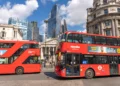




It’s exciting to see AI being used to improve the reliability of London’s bus network for daily commuters