Transport for London has released a new draft Business Plan that lays out an ambitious vision for the city’s transport network through to the end of the decade.
The plan, published on 28 January 2026, builds on a decade of landmark projects such as the Night Tube, the Superloop express bus network, and the launch of the Elizabeth line. It promises to carry this momentum forward by focusing on public transport, active travel, and the creation of new homes and jobs across the capital.
Central to the strategy is a commitment to sustained investment in London’s essential transport infrastructure. The plan pledges to improve journeys for millions of passengers, make the city more accessible, and support economic growth not just in London but throughout the United Kingdom. The Mayor’s goal is clear: a safer, fairer, and greener city where everyone can benefit from opportunity and mobility.
Buses are set for a comprehensive transformation. The Superloop network will be expanded and the bus fleet will see further electrification. By the end of the plan, about two thirds of London’s buses will produce zero emissions, reinforcing the city’s position as home to the largest electric bus fleet in Western Europe. New technology will improve traffic signals and bus priority measures, cutting delays and making journeys more reliable. Passengers can also expect upgraded bus shelters, better real-time information, and an improved customer experience, particularly in fast-growing areas. There are also proposals for a new publicly owned bus company, intended to drive innovation, efficiency, and accountability.

© TfL
London’s rail network is also in line for major improvements. The extension of the Docklands Light Railway to Beckton Riverside and Thamesmead will help unlock new homes and jobs in the east of the city. New train fleets are planned for the Bakerloo and Piccadilly lines as well as the DLR. The Elizabeth line will see additional trains, the Central line will undergo a full refurbishment, and the city’s trams will be replaced with modern vehicles ready for the demands of the future.
TfL’s plans go beyond simply moving people. Investment by Places for London, the agency’s property arm, will support the creation of thousands of new jobs and affordable homes throughout the capital. The plan also includes proposals for growth schemes such as extending the Bakerloo line, integrating Great Northern services into the London Overground, and developing the West London Orbital route from Hounslow to Hendon via Old Oak Common.
Active Travel and Safer Streets with Transport for London
The city’s streets and public spaces are set for a radical rethink. A new programme will target congestion and transform how roads operate over the next five years. This includes optimising traffic flow and deploying sophisticated management systems to make London’s road network one of the most advanced in the world by 2028. The expansion of the Lane Rental scheme aims to reduce delays and cut congestion across more boroughs. New drainage systems will improve biodiversity and protect the city from flooding and extreme weather events.
© TfL
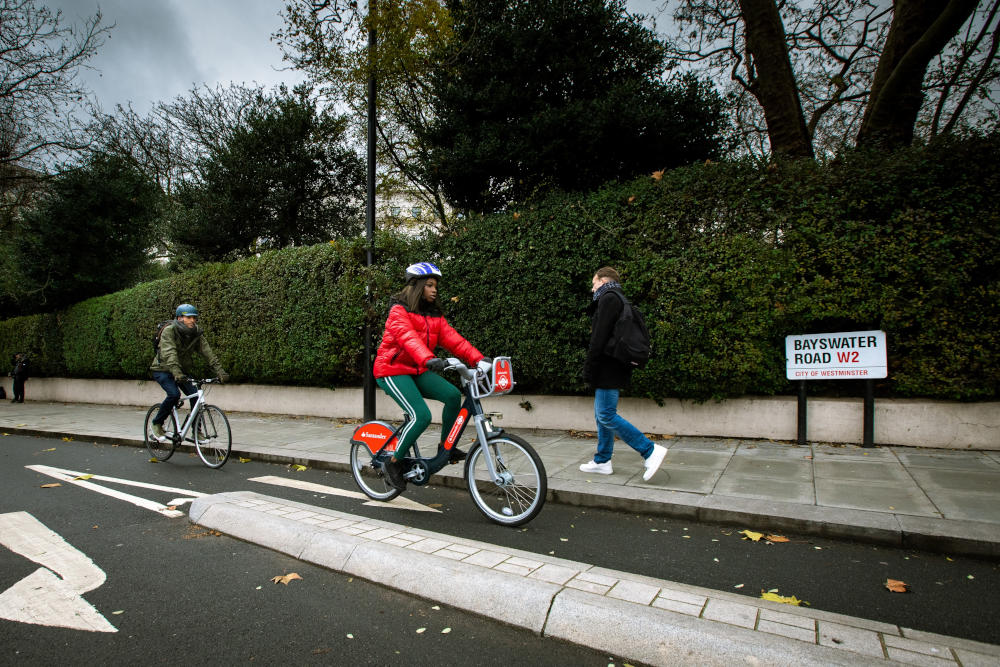
Cycling continues to thrive in the capital. More than 430 kilometres of cycle routes have already been delivered and further investment will make streets safer and expand the network. There will be more cycle parking, upgrades to Santander Cycles, and a renewed focus on the role of dockless e-bikes. TfL will invest over 90 million pounds a year through the boroughs to support safer streets, bus priority, and the maintenance of roads and bridges.
Accessibility and safety remain top priorities. Northolt and Leyton stations will become step free for the first time and major upgrades are planned at Elephant and Castle and South Kensington. The aim is for half of all Underground stations to be step free by 2030. TfL is determined to reduce deaths and serious injuries, updating its Vision Zero Action Plan and working to eliminate incidents on roads, buses, and at stations.
Digital innovation will play a big part in the transformation. CCTV and safety cameras will be modernised and TfL’s digital tools such as the TfL Go app will continue to improve. Fare innovation and loyalty schemes are being explored to keep public transport affordable and boost ridership, with the additional revenue reinvested back into the network.
London’s Transport Commissioner, Andy Lord, described the new Business Plan as an ambitious programme for the future of London’s transport. He emphasised that the plan reflects the voices of customers, businesses, and staff, and is designed to deliver safe, accessible, frequent, reliable, green, and affordable services. He also highlighted the plan’s role in supporting the wider economy by unlocking new homes and jobs, reducing journey times, and driving new innovations.
Mayor Sadiq Khan echoed these sentiments, pointing to the transformation of Oxford Street into a world-class retail and leisure destination, and the delivery of new jobs and affordable housing via the DLR extension. He stressed the need for continued investment to make London safer, greener, and fairer for everyone.
TfL’s new plan recognises the importance of working with national partners on rail reform, HS2, and the redevelopment of Euston and Old Oak Common. As London continues to grow, TfL is committed to investing in its workforce, championing diversity and inclusion, and equipping young people with the skills needed for the future.
Looking ahead, TfL’s message is that the next decade is about more than just travel. It is about reimagining London as a city that is safer, greener, and accessible for all. If these plans come to fruition, London by 2030 could stand as a model for urban mobility in the modern era.
To read more Transport for London news, click here.