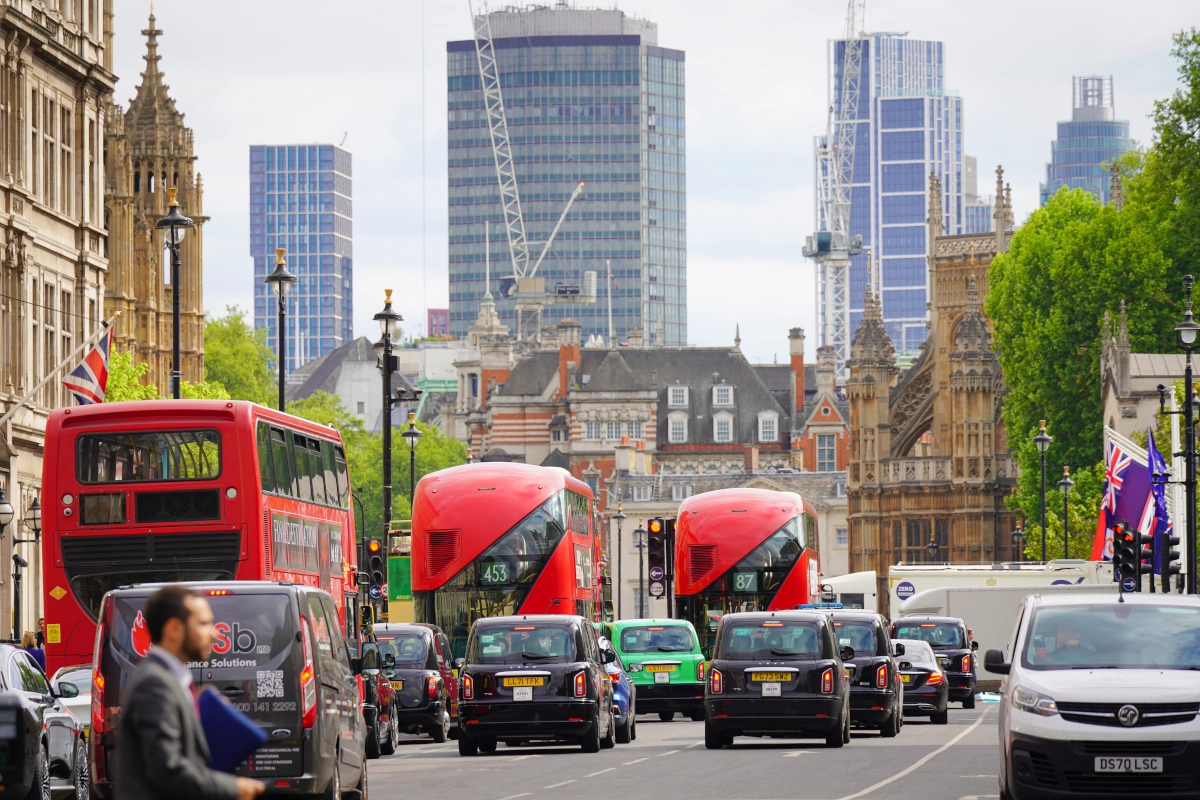
The annual random testing requirement has risen from 10 to 25 per cent following a review of safety procedures across the capital’s bus network
London bus drivers are facing tougher drug and alcohol testing rules, with operators now required to randomly test at least one in four of their drivers each year.
Transport for London (TfL) confirmed to London Bus Forums News on 27 November that it had increased the minimum annual testing requirement from 10 to 25 per cent following a review of testing policies across bus operators.
Based on TfL’s estimate of around 25,000 bus drivers across the capital, the change would raise the annual testing minimum from approximately 2,500 to 6,250 drivers.
A TfL spokesperson said: “The new requirements improve consistency across the industry and reflect improvements in testing capability, whilst continuing to tackle this vital safety issue.”
The spokesperson added: “While the vast majority of bus drivers would never drive whilst under the influence of drugs or alcohol, doing so is completely unacceptable and illegal.
“Any bus driver who does so has no excuse not to be aware of the severe consequences for public safety as well as the disciplinary and criminal consequences for themselves.”

Image: London Bus Forums
Bus operators are also required to screen drivers for drugs and alcohol before they begin employment and have procedures in place for testing following incidents.
Figures published by TfL show that London’s bus operators carried out 7,710 drug screenings and 7,785 alcohol screenings in 2024/25, including tests conducted outside the random testing programme.
Separate figures published by the Mayor in January revealed that the number of failed drug and alcohol tests carried out following collisions or suspected substance use had risen from three in 2021/22 to 19 in 2024/25.
Failed tests are reported to the Traffic Commissioner, who can take action against a driver’s licence.
The figures do not show whether the proportion of drivers failing tests has increased.
In December last year, TfL disclosed that there had been two fatal incidents since January 2018 in which a London bus driver subsequently failed a drug test. No fatal incidents involving failed alcohol tests had been recorded over the same period.
The issue came under increased scrutiny following the death of nine-year-old Ada Bicakci, who was struck by an Arriva route 99 bus on Watling Street in Bexleyheath on 3 August 2024.

Image: Metropolitan Police/Handout
The driver, Martin Asolo-Ogugua, had joined Arriva in January 2024 and was still on an extended probationary period following complaints from passengers about his driving, the Court of Appeal heard.
He had taken cannabis the previous night and fallen asleep at the wheel before the bus mounted the pavement. Tests revealed he had almost three times the legal limit of cannabis in his blood.
Ada died in hospital two days after the collision.
Asolo-Ogugua was jailed for four years at Woolwich Crown Court on 9 June 2025 after admitting causing death by dangerous driving and driving while unfit through drugs.
His sentence was increased to six years and eight months by the Court of Appeal on 6 August 2025 after the case was referred by the Solicitor General under the Unduly Lenient Sentence scheme.

Image: Metropolitian Police
A TfL safety report presented in May 2025 found that while bus operators were complying with existing drug and alcohol testing policies, inconsistencies remained in staff training, reporting and testing procedures following incidents.
Recommendations included standardising testing procedures, mandatory record keeping and separate monitoring of drivers during their probationary periods.
Liberal Democrat London Assembly Member Hina Bokhari subsequently called on Sadiq Khan to review TfL’s drug-testing policies following Ada’s death.
Reform UK London Assembly Member Keith Prince asked the Mayor on 19 November this year to publish updated figures on failed drug and alcohol tests and disclose how many drug-related fatal collisions between 2023 and 2025 had involved London bus drivers.
The increased testing requirement has also reignited questions over the Mayor’s refusal to incorporate the Bus Drivers’ Bill of Rights into TfL’s contracts with operators.
Mr Prince revealed the proposed increase in a question to the Mayor on 20 November 2025, following a conversation with TfL’s Director of Buses.
He questioned why TfL could not use the opportunity to introduce the proposed protections for drivers if it was already making changes to its Framework Bus Services Agreement to increase drug testing.
More than a year later, the question remains without a substantive published response.
The London Assembly unanimously backed a motion on 2 July this year calling for improved working conditions for bus drivers, including safer working schedules, adequate rest breaks, access to toilets and stronger protections for those reporting safety concerns.
However, Mr Khan has argued that improvements to drivers’ working conditions are best achieved by working with Unite and bus operators rather than “unpicking contracts to repeat protections that already exist in other agreements, actions or legislation”.
On 5 November, bus drivers and campaigners marched on TfL’s headquarters in Southwark, calling for the 12-point Bill of Rights to be incorporated into bus contracts.
Bus safety campaigner Tom Kearney told London Bus Forums News:
“TfL’s apparent decision to modify the Framework Bus Services Agreement to mandate increased drug testing of Bus Drivers while at the same time its Chair ignored Keith Prince AM’s reasonable November 2025 request to use that Agreement revision opportunity to inscribe the Bus Drivers Bill of Rights further confirms that the ‘Blame Culture’ Michael Liebreich spoke about at the 5 November Bill of Rights Rally is alive and well at City Hall and Palestra House.”
TfL did not confirm when the increased testing requirement came into effect, whether it had involved an amendment to its Framework Bus Services Agreement or address questions from London Bus Forums News about incorporating the Bill of Rights.