Thamesmead could soon see a dramatic transformation in its fortunes as government approval for the DLR extension Thamesmead edges closer. The £1.7 billion project promises to reshape journeys and investment opportunities for this often overlooked part of southeast London.
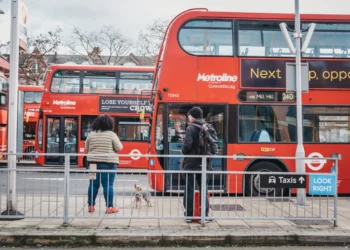
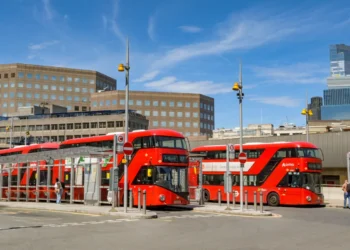
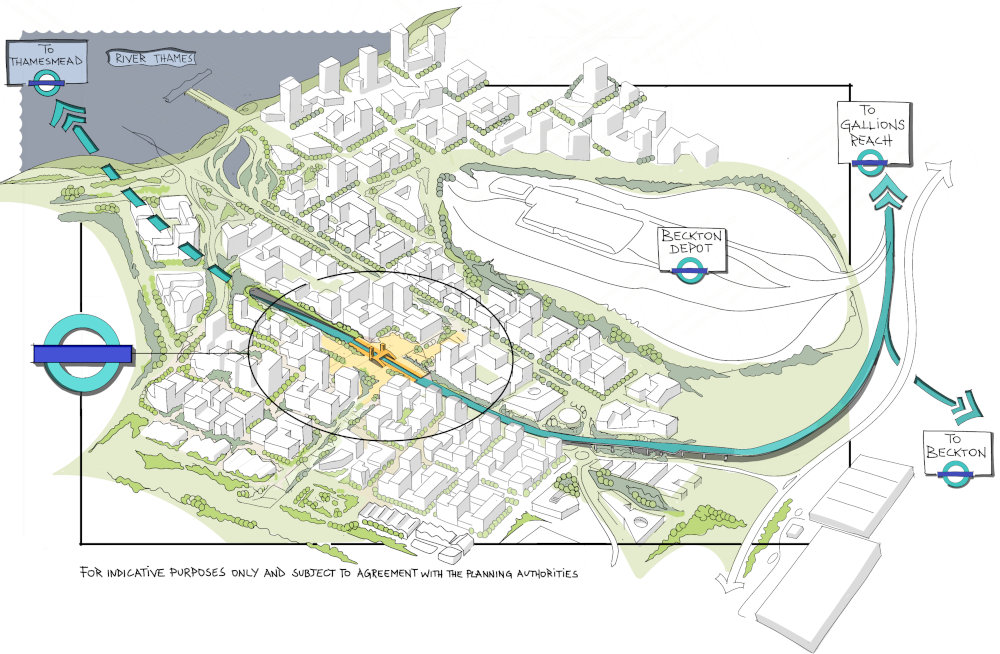
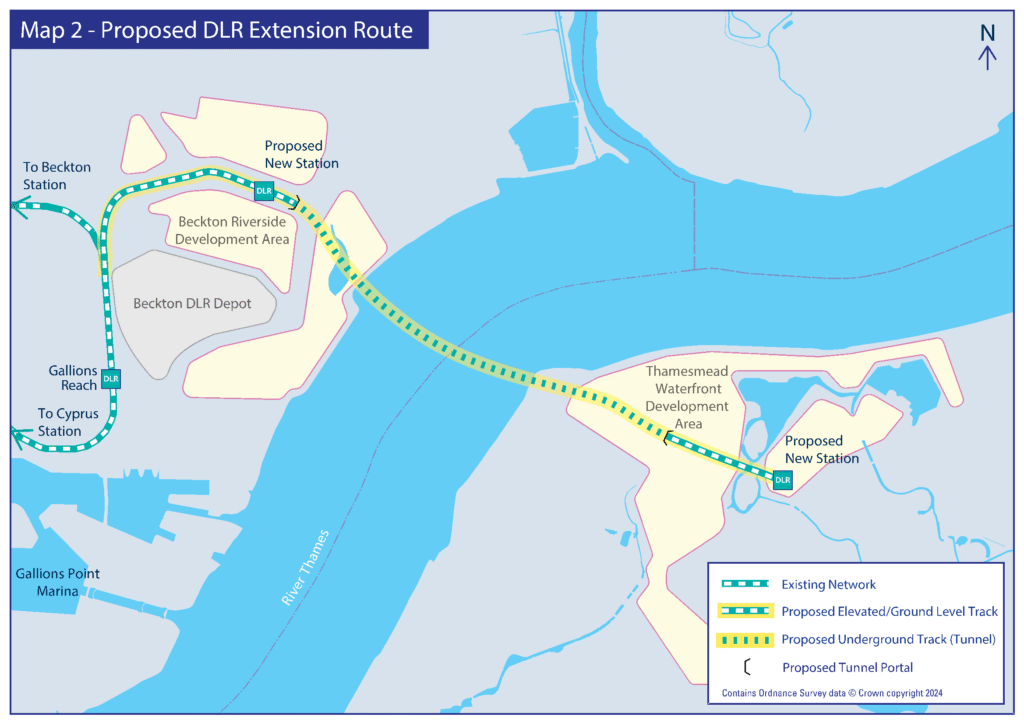
The planned DLR extension Thamesmead project would connect Gallions Reach to Thamesmead, with new stations at Beckton Riverside and ultimately Thamesmead. Currently, the area is one of London’s most poorly connected neighbourhoods. Residents are often reliant on buses that can take more than 1 hour to reach central London. The DLR extension Thamesmead promise is for swift, regular train services directly linking Thamesmead to key parts of the city.
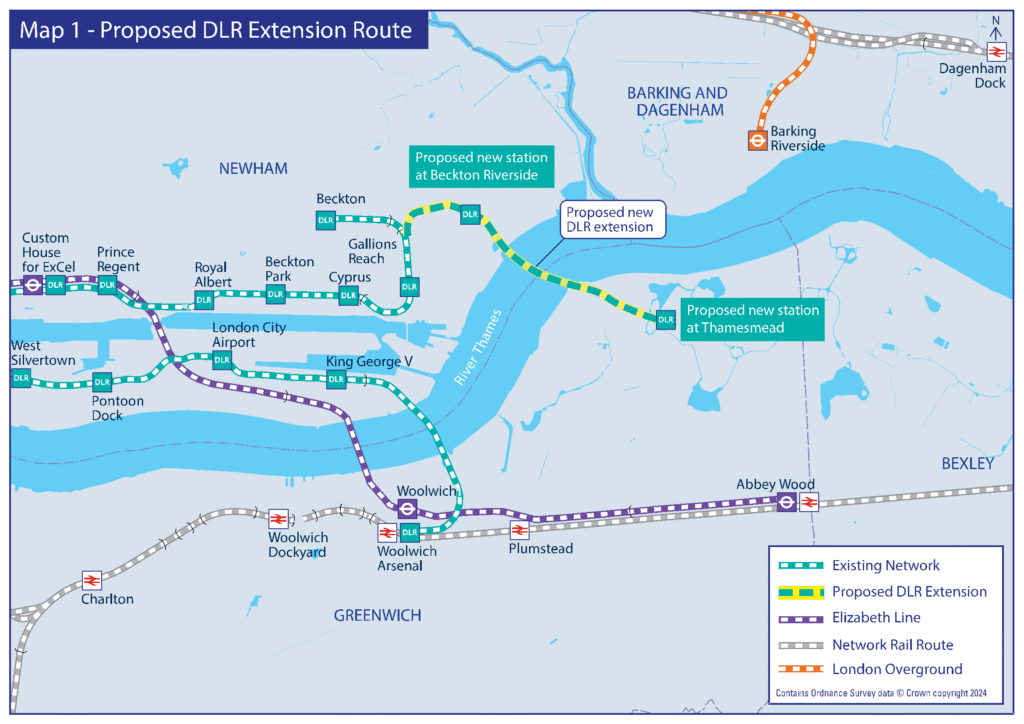
The Docklands Light Railway has played a significant role in opening up areas east of the capital since its introduction in the late 1980s. Expanding it further south across the Thames has been on the drawing board for years but past plans have repeatedly faltered due to funding issues and political shifts.
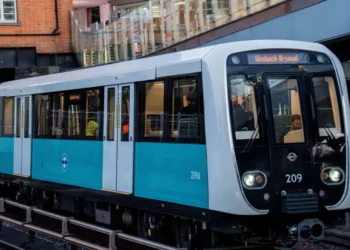
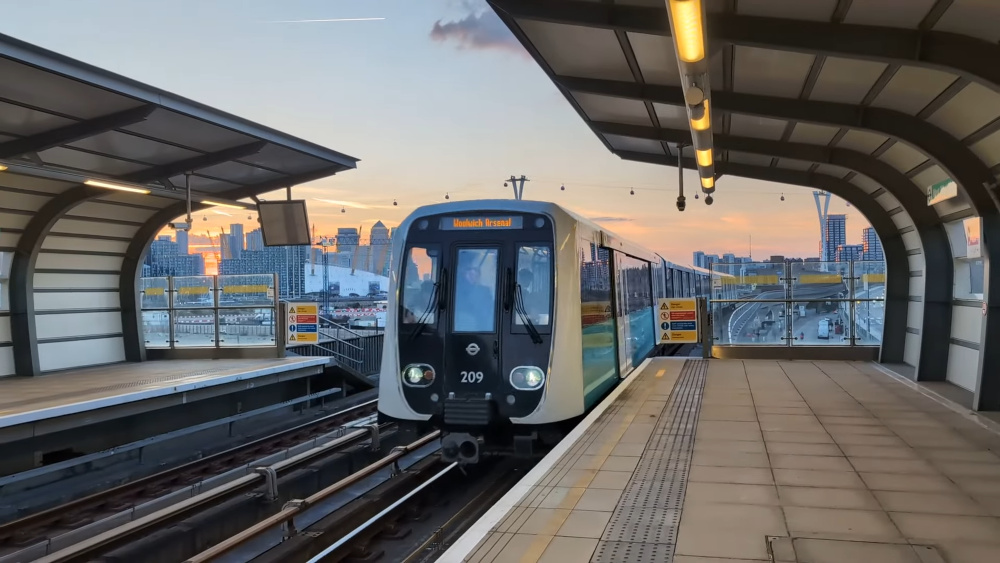
For more on how the latest DLR trains are modernising journeys for Londoners, read our recent article on the new DLR trains entering service.
Supporters say the new DLR extension Thamesmead will not just shorten journeys but spur major growth across the Thames Gateway corridor. New homes, schools, and workplaces are expected to follow with estimates of up to 25,000 homes and 10,000 new jobs in the pipeline. For local residents, it is as much about opportunity and fairness as it is about transport.
The mayor of London Sadiq Khan has spoken of the need to tackle decades of unfairness and lack of investment in Thamesmead. Community groups have rallied behind him, calling the DLR extension Thamesmead a lifeline that could reverse historical isolation and neglect.
Not everyone is convinced. Some environmental groups have asked for robust protections for local parks and natural spaces. Other critics question whether the scale of investment is justified as London faces economic pressures and the steady rise of living costs. Some sceptics recall other major projects in the capital that have overrun on cost and time, wondering if the DLR extension Thamesmead could encounter similar obstacles.
Construction, once approved, will present its own challenges. Engineers will have to create a tunnel beneath the Thames and overhaul complicated road and utility layouts on both sides of the river. Transport for London has signalled that initial work for the DLR extension Thamesmead could begin by 2027 or 2028, with full operation in the early 2030s, a timeline that some experts say is ambitious but achievable.
Despite the potential hurdles, there is palpable optimism in the air. Campaigners say the arrival of the DLR extension Thamesmead will brighten the prospects of young people in Thamesmead, offering real choices for education, work, and leisure across the capital.
Local businesses also see a chance for renewal and growth, pointing to how previous rail projects in other parts of London have triggered a rejuvenation of housing, retail, and hospitality sectors, and they now expect similar results with the DLR extension Thamesmead.
For the area’s long time residents, the DLR extension Thamesmead represents more than a transport improvement. It is being seen as a symbol of belonging and status, linking Thamesmead unmistakably to the physical and economic map of London.
As the government prepares to give its final endorsement, eyes across the capital are fixed on the DLR extension Thamesmead. For many, this moment marks the promise of connectivity, investment, and a future that feels a little closer for all of southeast London.