Agreement with Unite and bus operators will see older buses upgraded after a summer of extreme heat and industrial action
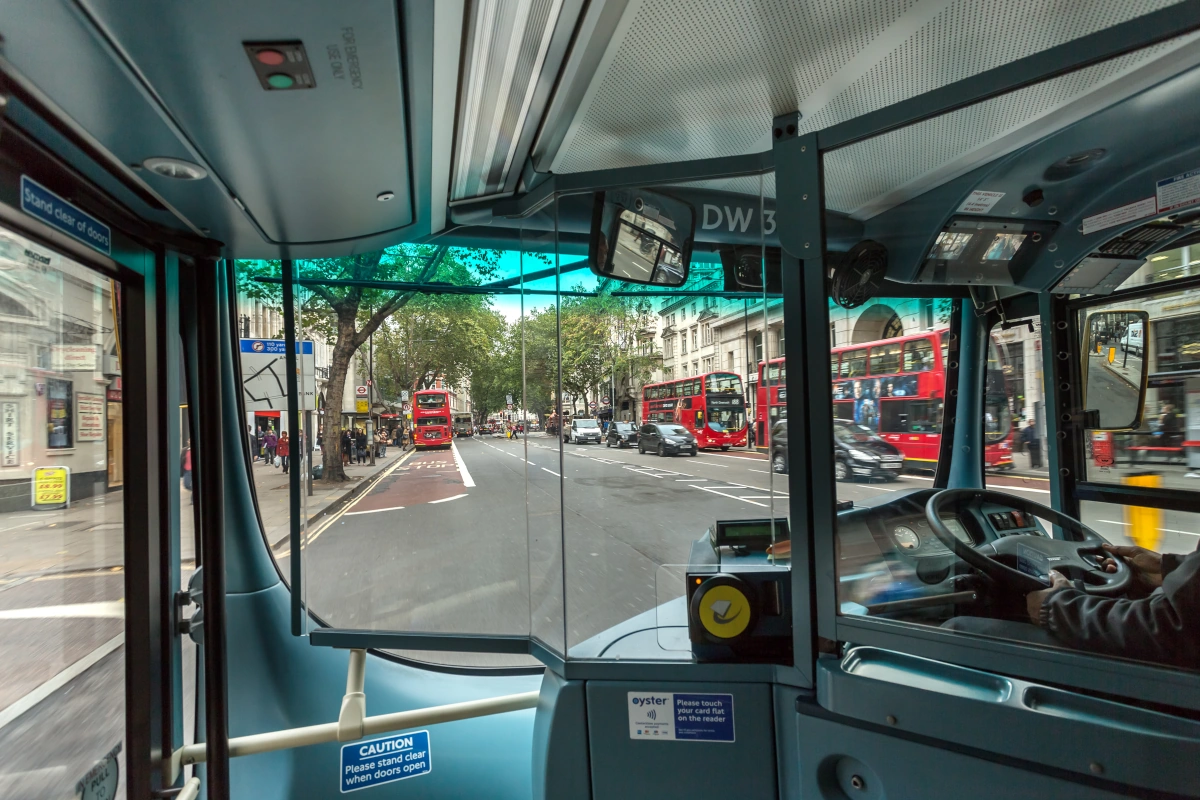
Every London bus driver cab is to be brought up to a modern air-conditioning standard by the end of May next year under an agreement between Transport for London, Unite and the capital’s bus operators.
The deal will see older buses retrofitted with improved ventilation and air-conditioning systems after a summer in which drivers repeatedly raised concerns over extreme temperatures inside their cabs.
Air conditioning in London bus driver cabs is not a new requirement. Cab cooling has formed part of TfL’s bus specifications since 2006, but drivers have repeatedly complained that systems on some vehicles are ineffective or fail during hot weather.
TfL said newer buses entering service are already subject to more rigorous cooling and ventilation standards, while older vehicles will now be upgraded to bring them closer to the latest specification.
The Extreme Weather Taskforce, which includes TfL, Unite, London bus operators and the Greater London Authority, has agreed that cabs which do not meet the latest standard should be upgraded by the end of May 2027.
The announcement follows a summer of industrial action over working conditions.
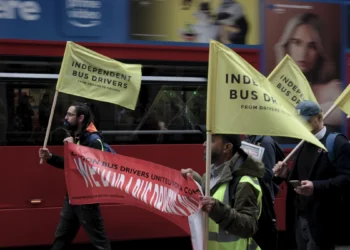
More than 1,500 Arriva North London drivers walked out during August amid concerns over heat inside bus cabs, with drivers reporting temperatures above 40C during some of the hottest days.

Image: London Bus Forums
The dispute helped put renewed pressure on TfL and operators to improve cooling systems across the fleet.
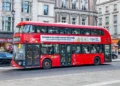
One New Routemaster has already been fitted with a new ventilation and air-conditioning system and is being trialled in passenger service.
The system has also undergone laboratory testing at UTAC Millbrook, where its performance was assessed in controlled extreme-heat conditions.
TfL said feedback from drivers has been encouraging so far.
A second New Routemaster has been fitted with a different system built to the same specification as TfL assesses how upgrades can be delivered across different bus types.
Testing is also taking place on other vehicles which do not currently have modern ventilation and air-conditioning systems.
Further measures being considered include solar film with UV protection on cab windows, improved driver seats with heating and ventilation, better extreme-weather planning and improved access to drinking water and welfare facilities.
Mayor Sadiq Khan described the agreement as historic, saying: “This is personal to me.”
He said London’s bus drivers had continued to keep the capital moving during an “unprecedented summer of heat” and welcomed the commitment to provide modern air conditioning in every cab.
TfL’s Director of Buses Lorna Murphy said the taskforce was working on both immediate improvements and longer-term measures intended to make the bus network more resilient to increasingly extreme weather.
The agreement also comes amid wider scrutiny of working conditions for London bus drivers.
London Bus Forums News reported earlier this week that Unite regional officer Nadine Edwards had described driver fatigue as an “epidemic”, saying some drivers were “literally falling asleep at the wheel”.
Campaigners have also continued pressing for a 12-point Bus Drivers’ Bill of Rights to be written into TfL’s bus contracts.
A petition calling on the Mayor to adopt the proposals has attracted 27,565 verified signatures at the time of publication.
The campaign also secured political backing in July when the London Assembly unanimously passed a motion supporting the principles of the Bill of Rights and called for stronger protections for bus drivers.
One of the proposed rights is for drivers to have working air cooling in their cabs during the summer.
The new air-conditioning agreement therefore delivers one of the key protections sought by campaigners, although the wider Bill of Rights also covers rest breaks, overtime, toilets, vehicle safety and winter heating.
Bus safety campaigner Tom Kearney said: “I am really gratified that the Mayor, TfL, the Bus Operators and Unite the Union are finally getting around to taking an action each have said was ‘fixed’ since 2018. While I’m pleased to let these ‘johnny-come-latelys’ take their unearned victory laps taking credit for announcing their collective intention to mitigate a manifestly obvious and well-evidenced unsafe situation, perhaps it’s useful to point out that ‘The Right to Working Air Cooling in our cabs in the summer heat’ and ‘The Right to Working Heaters in our cabs in the cold of winter’ constitute merely 2 of the 12 ‘rights’ that Bill of Rights Campaigners have been relentlessly campaigning for the Mayor to inscribe into TfL’s not-fit-for-purpose Framework Bus Services Contract since at least November 2024.
“Given the fact that Bus Crashes have increased by 11% per million miles and per vehicle since the Mayor took office in 2016, I think that any action that makes it safer for a Bus Driver to work on London’s congested streets stands a chance of reversing the Mayor’s failing Vision Zero goal of having no one ‘killed in or by a bus’ by 2030. By agreeing to just 2 of the 12 safety-critical demands in the Bill of Rights, the Mayor, TfL, the Bus Operators and Unite have made that 2030 goal less remote than it was yesterday. While I look forward to witnessing those 2 rights successfully implemented by 2027, I also look forward to hearing at least 10 more Bill of Rights announcements by the same parties in favour of Londoner’s lives and livelihoods too.”
TfL said the taskforce will continue working with drivers, operators and unions as the retrofit programme progresses.
All London bus driver cabs are expected to meet the latest air-conditioning standard by the end of May 2027