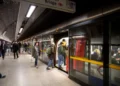
First of 54 new trains is carrying passengers again after a braking problem forced the three already in service off the network last November
London’s new DLR trains have begun returning to passenger service almost 10 months after the fleet was withdrawn over problems with its braking performance.
The first train to return is operating between Stratford International and Woolwich Arsenal following a programme of modifications and testing by Transport for London and manufacturer CAF.
Three of the new trains had entered passenger service before being withdrawn in November 2025 after a performance issue was identified on one train during low-adhesion conditions.
London Bus Forums News reported at the time that one of the new trains had overshot its stopping position at Canning Town during heavy rain, prompting the three trains then carrying passengers to be taken out of service.
TfL and CAF have since made changes to the braking system and fitted equipment designed to improve grip between the wheels and rails.
Further measures have also been introduced at locations across the DLR network to reduce the impact of low adhesion.
The first train was cleared to return following an extensive programme of testing in a range of operating conditions.
Its return marks the latest stage in a delayed rollout for the new fleet, which had already faced setbacks before passengers were first allowed on board.
The first new train entered passenger service on 30 September 2025, with two more following before all three were withdrawn weeks later.
Live testing resumed earlier this year after modifications were made, with London Bus Forums News reporting in March that the trains had returned to the tracks as engineers assessed their performance before passengers were allowed back on board.
TfL said the remaining 53 trains will now be introduced gradually, with the full rollout plan still being finalised with CAF and its suppliers.
Stuart Harvey, TfL’s Chief Capital Officer, said: “We’re pleased that the first of our new DLR trains has returned to customer service following the completion of a thorough programme of modifications, testing and assurance.”
He said safety had remained TfL’s “top priority” while the trains were withdrawn and apologised for the delay in bringing them back.
Mr Harvey added: “I apologise for the delay in reintroducing the trains but am pleased this marks an important milestone in delivering a modern new fleet for the DLR.”
The new trains feature walk-through carriages, air conditioning, live travel information and charging points for mobile devices.

Each also has three dedicated wheelchair spaces and three multi-use areas, while TfL says the design will increase capacity by around 10 per cent compared with the trains they replace.
The fleet will replace some of the oldest trains on the DLR, which have been operating for more than 30 years, while additional trains will increase overall capacity.
The wider fleet replacement programme is also intended to support further housing and employment growth around Stratford, Woolwich Arsenal, the Royal Docks and the Isle of Dogs.
A total of 54 trains are due to be introduced across the network, including 11 additional trains backed by government funding to provide extra capacity rather than simply replace existing stock.
TfL has not yet confirmed when all 54 new trains will be carrying passengers.