TfL funding London bus networks is set to transform local transport as Haringey, Lewisham and Southwark each receive up to £10 million to boost bus journey times, reliability, and customer experience through the Better Bus Partnerships programme. Discover how this new TfL investment will make London’s bus services faster, greener and more accessible for residents across the city.
Three London boroughs will each receive up to £10 million in TfL funding London bus networks to overhaul their bus services, in a move aimed at making journeys faster, cleaner and more reliable.
Haringey, Lewisham and Southwark have all secured a share of the city’s Better Bus Partnerships scheme, which is a key outcome of TfL funding London bus networks for real improvement. This funding will be released over four years for major upgrades to local buses and infrastructure.
Announced this week, the TfL funding London bus networks programme is part of a wider drive to improve public transport across the capital, with a particular focus on areas where many households do not own a car. The borough schemes promise a range of improvements, from new bus lanes and smarter roadworks management to safer stops and better walkways for passengers.
The aim is to cut some bus journey times by up to 30%. With TfL funding London bus networks, authorities hope to increase the appeal of bus travel, get more people onto public transport and help meet climate targets by reducing car use.
Haringey will focus its efforts on areas like Tottenham, Wood Green and Green Lanes, places where more than half of residents rely on buses to reach work, education and health services. Cabinet member Mike Hakata said the new TfL funding London bus networks investment will support comprehensive regeneration and improve connections to key destinations.
Lewisham is targeting two key routes running through Grove Park to Greenwich and from Sydenham towards Bromley and Southwark. Councillor Louise Krupski described the funding as a gamechanger that will help communities with fewer train links and higher deprivation, pledging to prioritise better bus priority and links to walking and cycling routes, thanks to TfL funding London bus networks.
Southwark intends to support its Streets for People programme, reclaiming local roads for walking, cycling and greener spaces. Councillor James McAsh said that with most households in Southwark not owning a car, frequent and reliable buses are vital for fair access to opportunities. The borough’s projects are powered by TfL funding London bus networks to ensure accessibility for all.
Competition for the Better Bus Partnerships funds was strong, with 18 boroughs initially expressing interest and eight shortlisted, including one joint proposal covering three boroughs. TfL selected Haringey, Lewisham and Southwark after judging them best placed to deliver real benefits for passengers and value for money through effective use of TfL funding London bus networks.
The money will be paid out in stages according to each borough’s progress, and residents can expect detailed consultation on local improvements throughout the coming year. Major works are scheduled to begin in 2027, all supported by TfL funding London bus networks.
The new package is in addition to over £80 million already provided this year to improve walking, cycling and road safety in London. TfL is also rolling out new zero emission buses, more bus lanes and better real time information to make journeys more efficient and environmentally friendly, under the banner of TfL funding London bus networks.
Lorna Murphy, TfL’s Director of Buses, said:
“Thank you to everyone who took the time to put bids forward. It is encouraging to see boroughs putting bus services at the heart of their communities to support sustainable transport for all and a safer, cleaner, greener London. I am delighted that we can work together with London boroughs to invest in bus priority and bus infrastructure. We now look forward to working closely with Haringey, Lewisham and Southwark over the coming years to deliver their bus schemes as part of the Better Bus Partnerships programme.”
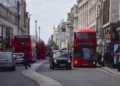
If the new partnerships prove effective, TfL hopes to expand the TfL funding London bus networks model to other boroughs, giving communities across the capital more control over how their neighbourhoods are served by the iconic red buses.