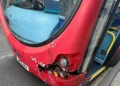
KleanDrive has entered administration, raising questions over the future of diesel-to-electric bus repowering projects in the UK.
KleanDrive specialised in converting buses and heavy vehicles from diesel to electric power, offering operators an alternative to buying brand new electric vehicles.
The Essex based company had promoted its technology as a way of extending the life of existing vehicles while helping fleets move towards lower emission operation.
Companies House records show KleanDrive Ltd was incorporated in December 2020. The company was previously called KleanBus Limited before changing its name to KleanDrive in December 2023. Its registered office was changed earlier this month to Stud Farm, Mundon Road, Mundon, Maldon.
An insolvency notice published by Insolvency Intel lists an appointment of administrators for KleanDrive Ltd, with David Taylor and Paul Ellison of KRE Corporate Recovery Limited named as administrators. The notice gives the date of appointment as 21 May 2026.
First Bus conversion project
The development comes less than a year after KleanDrive announced a contract to convert 30 Wrightbus StreetDeck buses to electric power for First Bus.
Under that agreement, KleanDrive was due to supply electric drivetrain technology, while Ensignbus was expected to handle installation and refurbishment of the bus chassis and interior. The programme was set to begin with a pilot vehicle before moving to the wider 30 bus conversion.
Industry reports at the time said the converted buses would use a battery-electric drivetrain, with work carried out at Ensignbus in Purfleet.

© KleanDrive
The deal formed part of wider efforts by First Bus to move towards a zero emission fleet.
KleanDrive’s technology was also promoted as a modular system that could replace diesel engines and transmissions in existing buses.
What is bus repowering?
Bus repowering involves removing the diesel engine and related components from an existing bus and replacing them with an electric drivetrain.
The process is seen by some in the industry as a way to reduce emissions without buying a completely new vehicle.
Supporters say it can help extend the working life of existing buses while reducing waste and cutting the cost of fleet decarbonisation.
However, repowering still depends on specialist engineering, battery supply, workshop capacity and operator confidence in long-term support.

© KleanDrive
Questions over future projects
The reported administration of KleanDrive raises questions about the future of electric bus conversion projects involving the firm.
The company was one of several businesses promoting repowering as a possible route for operators wanting to reduce emissions without immediately replacing complete fleets.
Wrightbus, through its NewPower programme, has also promoted repowering as a way for operators to move towards zero emission fleets while extending the life of existing buses.
The wider bus industry is under pressure to decarbonise, with operators balancing environmental targets against the cost of replacing vehicles and upgrading depot infrastructure.
More transport updates can be found in our transport news section.