
Officials are expected to begin talks with bus operators as plans to bring some London services in house are developed
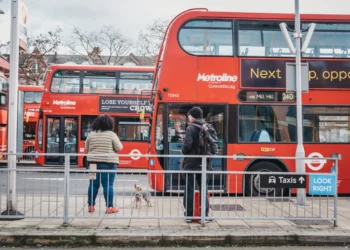
Transport for London is moving closer to setting up a publicly owned London bus company, with officials expected to begin discussions with existing operators this month.
According to the Local Democracy Reporting Service, the talks will examine how a TfL-owned operator could work alongside London’s existing franchised bus network and whether services could eventually be brought in house as contracts expire.
TfL first confirmed the plans in its 2026 Business Plan, saying it would develop detailed proposals for a publicly owned bus company as part of work to reshape London’s bus network.
TfL said the project would examine whether public ownership could improve innovation, efficiency and accountability while supporting passengers and the bus workforce.
Working conditions for London bus drivers have also come under scrutiny, with independent bus drivers campaigning for a Bus Drivers’ Bill of Rights including the introduction of air conditioning in driver cabs.
Bus safety campaigner Tom Kearney questioned the significance and timing of the plans. He said:
“The Mayor of London has always had the authority to instruct TfL to own and operate public bus services in London and, furthermore, has always possessed an Operator’s Licence through one of TfL’s subsidiaries that enables TfL to exercise these same rights.
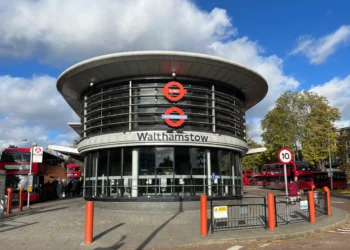
“So why is the Mayor talking about this issue right now? After a continuous barrage of bad press since March revealing, inter alia, (a) the unsafe conditions in which London’s bus drivers are forced to work, (b) the fact that bus collisions are now higher today than when Sadiq Khan took office in 2016 and (c) the imminent prosecution of TfL by HSE for safety failures at Walthamstow Bus Station since 2004, the reason for the Mayor’s announcement seems obvious to me: the Mayor would like to distract the press and his loyal followers in Unite the Union and the Labour Party from the fact the contractor of United Kingdom’s longest-running and largest publicly-regulated bus operation is at best ‘Institutionally Unsafe’ and, at worst, negligent.
“Instead of distracting the public and press with empty promises, what London really needs is a TfL Chair who uses the powers the Mayor of London has always possessed to take accountability for London’s poor bus safety performance and bus drivers’ dangerous working conditions.”
Most London bus services are currently operated by private companies under contracts awarded by TfL. The seven operators currently running TfL bus routes are Arriva London, First London, Go-Ahead London, Metroline, Stagecoach London, Transport UK and Uno. TfL said all seven were represented at a recent meeting with senior managers.
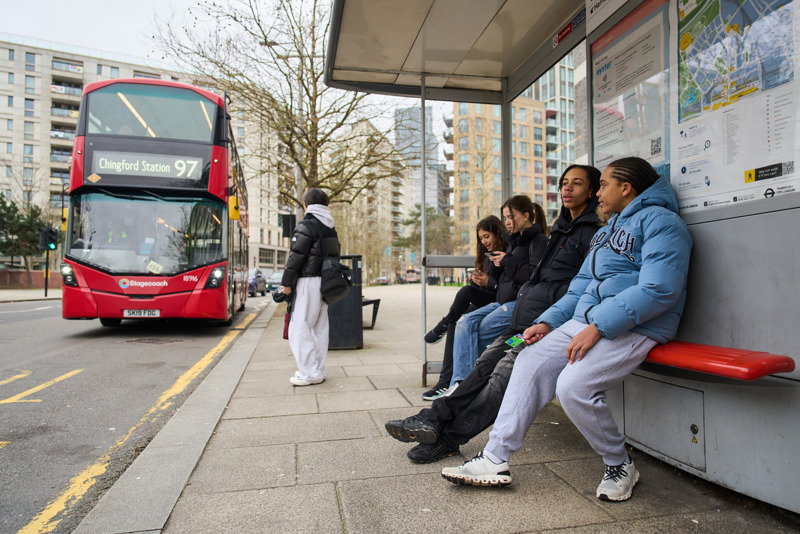
Image: TfL
TfL remains responsible for planning routes, setting service levels and monitoring performance through London Bus Services Ltd. The contracted fleet stood at 8,982 buses as of 31 March 2026, operating across roughly 675 routes.
A publicly owned operator would not mean the entire London bus network returning to public ownership.
Under the model being explored, TfL could take over individual services when existing operating contracts expire, allowing a public company to operate alongside private firms.
The Mayor of London has previously argued that an in-house operator could allow profits to be reinvested in public transport and provide TfL with a benchmark when assessing bids from private companies.
City Hall confirmed last year that exploratory work was already under way and that TfL held an Operator’s Licence as part of its contingency arrangements.
The proposal also formed part of Sir Sadiq Khan’s 2024 commitment to explore bringing some bus operations into public ownership.
Government legislation which came into force earlier this year removed restrictions preventing local authorities elsewhere in England from establishing new municipal bus companies.
However, Department for Transport guidance states that the change does not apply to TfL, which already had the legal power to establish a bus company under its existing framework.
Unite has welcomed progress towards a publicly owned operator, arguing that money generated from running services should be reinvested rather than paid to private companies.
Conservative mayoral hopeful Festus Akinbusoye criticised the proposal, arguing that London’s existing franchising model works and warning that creating a publicly owned operator would add cost and bureaucracy.
TfL told the Local Democracy Reporting Service that work on the proposals was continuing.
Community
Join the discussion
What do you think about this story? Discuss it with other readers on the London Bus Forums Community.
about this story